Gynaecology · Kumaraswamy Layout, Bengaluru
Fibroid Removal (Myomectomy) in Bangalore
Laparoscopic and robotic-assisted removal of uterine fibroids while keeping the uterus.
 NABH accredited
- All major insurance accepted
- Cashless & CGHS
- 24x7 emergency
Fibroid Treatment at Vasavi Hospitals
Robotic
Laparoscopic & Robotic-Assisted Options
NABH
Accredited Hospital
What is Fibroid Removal (Myomectomy)?
Myomectomy is a surgical procedure to remove uterine fibroids (non-cancerous growths) while preserving the uterus. It’s recommended for women who experience symptoms such as heavy menstrual bleeding, pelvic pain, or fertility issues caused by fibroids.
At Vasavi Hospitals, our gynaecologists perform both Laparoscopic and Robotic Myomectomy, minimally invasive procedures that remove fibroids through small incisions while keeping the uterus. Your gynaecologist will discuss how surgery may affect future pregnancy and what recovery to expect.
If you’re facing heavy bleeding, pelvic pressure, or difficulty conceiving due to fibroids, consult our specialists for diagnosis and treatment options.
Know the Signs. Choose the Right Care.
Uterine fibroids can cause discomfort and impact fertility if not treated early. At Vasavi Hospitals, we identify fibroids through imaging and discuss the treatment options suited to you.
Common Symptoms
- Heavy or prolonged menstrual bleeding
- Lower abdominal pain or pelvic pressure
- Frequent urination or difficulty emptying the bladder
- Pain during intercourse
- Trouble conceiving or recurrent miscarriages
Surgery Options
At Vasavi Hospitals, Fibroid Removal (Myomectomy) is performed using both Laparoscopic and Robotic techniques. These methods remove fibroids while preserving the uterus. Your gynaecologist will discuss how surgery may affect future pregnancy and what recovery to expect.
Insurance-Covered Packages
Cashless insurance options are available, and cost estimates are shared before surgery.
Get a Callback
Note: Robotic surgery refers to robotic-assisted surgery. It is not performed by robots. All procedures are performed by our surgeons.
Meet Our Surgery Specialist
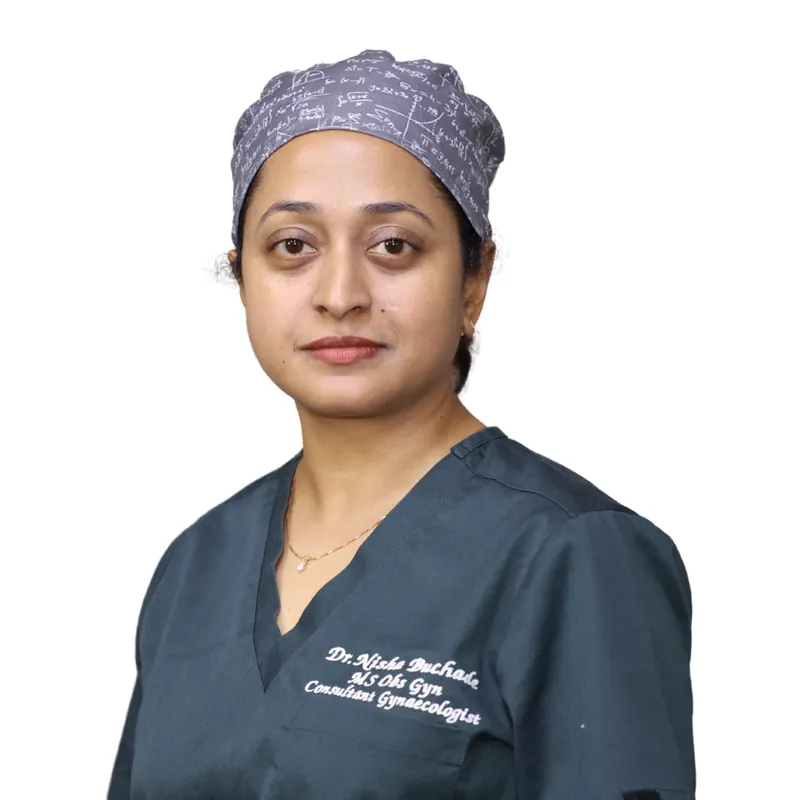
Dr.Nisha Buchade
MBBS, MS Fellowship in gynec-oncology, Fellowship in Advanced infertility
15+ Years Experience
Robotic vs. Laparoscopic Surgery: What's the Difference?
Both are minimally invasive. Robotic-assisted surgery offers a 3D magnified view and wristed instruments; laparoscopic surgery uses a 2D view and straight instruments and is long-established. Your gynaecologist will advise which suits you.
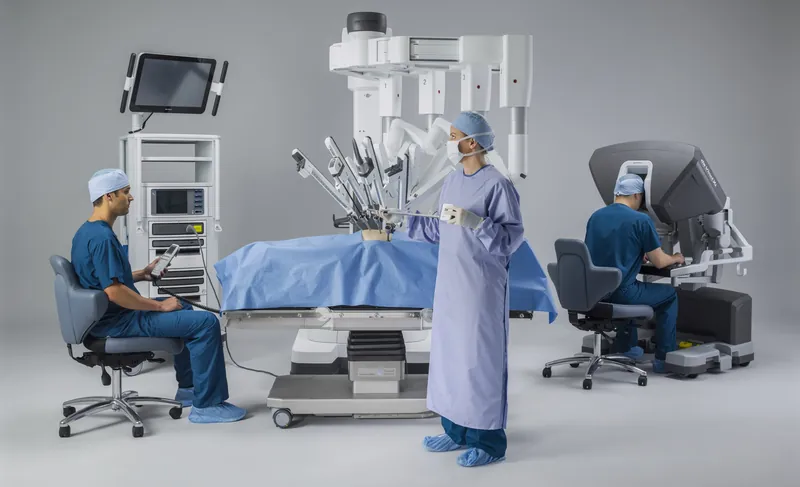
Robotic Surgery (Da Vinci Xi)
3D HD Vision: Surgeon sees the surgical field in a magnified, high-definition, three-dimensional view.
Wristed Instruments: Robotic instruments bend and rotate like a wrist to assist with suturing (stitching).
Tremor Filtering: The system filters natural hand tremor during delicate steps.
Small Incisions: Performed through small keyhole incisions.
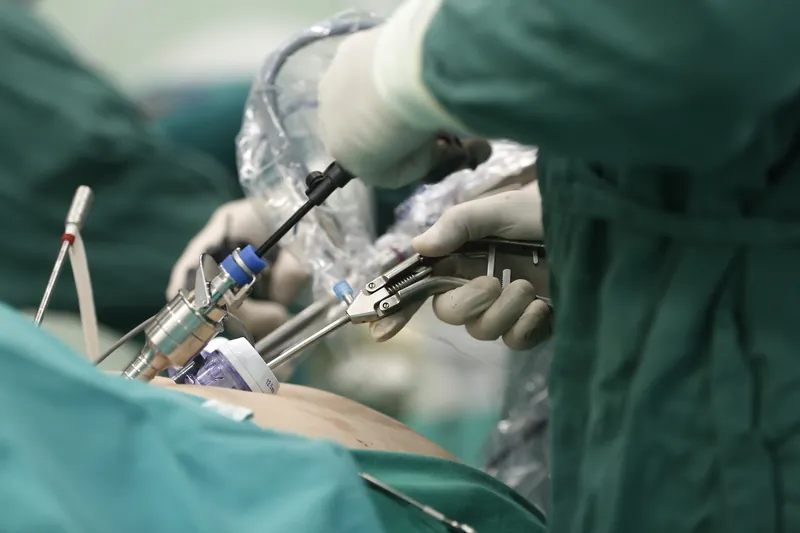
Laparoscopic Surgery
2D HD Vision: Surgeons view a high-definition, two-dimensional image on a monitor.
Straight Instruments: Long, straight instruments are used through small ports.
Long-Established: A widely used, well-established minimally invasive technique.
Small Incisions: Also performed through small keyhole incisions.
What to Expect During Myomectomy Surgery
Your Step-by-Step Care Journey
Consultation & Evaluation
Meet our gynecology team to discuss your symptoms and undergo tests like ultrasound or MRI to assess fibroid size and position. We explain the treatment plan and expected recovery before surgery.
Surgery Day
The surgery is done under general anesthesia using Laparoscopic methods. Small incisions are made in the abdomen to remove fibroids while preserving the uterus. The procedure usually takes 1–2 hours depending on the number and size of fibroids.
Post-Surgery Stay
Most patients stay in the hospital for 1–2 days for observation. Our team provides post-surgery care instructions, pain management and guidance on rest and diet.
Recovery & Follow-Up
Most patients resume light work within 7–10 days. Follow-up visits check healing and menstrual cycles.